
What the buffalo reputation gets right
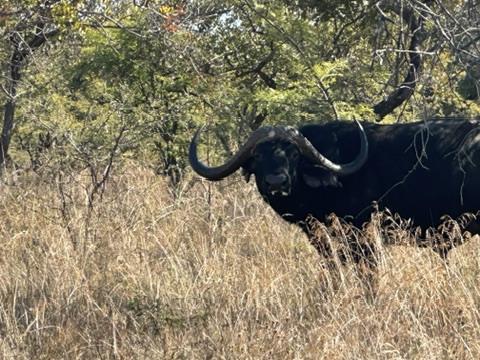
Cape buffalo has accumulated more mythology than almost any African animal. Some of it is deserved. A mature bull is enormously strong, difficult to judge in cover and capable of becoming dangerous when wounded or pressured. What the mythology often gets wrong is the idea that a buffalo safari is ten days of constant drama. Most of the hunt is quieter and more interesting than that: spoor, wind, patience, judgement and the slow closing of distance.
The dangerous part is real, which is exactly why professional habits matter. A buffalo hunt should feel controlled. The PH and trackers do not need a client who wants to prove he is fearless. They need a client who listens, handles his rifle safely and can put the first bullet where it belongs.
Cost and trophy category
Waidmannsheil’s current published 2027 Cape Buffalo package is $14,000 for a twelve-day itinerary with ten hunting days and one buffalo in the category confirmed in writing. Buffalo pricing can change materially with horn category or a specific exceptional bull, so the client should know exactly what his package covers before the deposit.
Ask whether a larger category is an optional upgrade and how that price is calculated. A buffalo should never be standing in front of you while you and the PH are trying to remember what a WhatsApp message said six months earlier.
The hunt begins with tracks
A classic buffalo day often begins by looking for sign. We may check roads, water or feeding areas until the trackers find spoor worth following. They judge freshness from edges, moisture, dust and the way other tracks have crossed it. Then the vehicle becomes less useful and the hunt becomes a walk.
Following buffalo is one of the best ways to understand how skilled African trackers really are. To the untrained eye the ground can look empty. To the tracker it contains a sequence: where bulls slowed, where they fed, where they turned into thicker cover, whether the sign is hours old or minutes old. A client who pays attention will remember that work as strongly as the final shot.
Wind controls the approach
Buffalo have excellent scenting ability, and the wind can ruin hours of careful tracking in seconds. In broken or swirling air, the PH may deliberately give up distance and change direction. That can feel frustrating when the animals seem close. It is still better than educating a herd and starting again.
Cover also changes the safety margin. In open woodland the PH may have time to study several bulls. In thick bush, the first clear look can be brief. That is why the hunter must be able to get onto the sticks quietly and settle the rifle without unnecessary movement.
Judging the bull
Width gets attention because it is easy to compare. Mature buffalo are more than width. Boss development, horn shape, wear, body, face and age all contribute. Management goals also matter. A PH may prefer an older hard-boss bull that has done his breeding over a younger animal with impressive-looking tips.
Discuss your expectations before the hunt. If you care about a particular horn class, say so. If age and character matter more, say that too. The PH can only guide the hunt you actually want if the objective is clear.
Rifle and ammunition
Dangerous-game firearm requirements must comply with South African law and the rules for the province and hunt. In practical terms, the .375 class is a common starting point for client buffalo rifles, with larger dangerous-game cartridges also used. Bullet construction is critical. Use proven premium ammunition recommended for buffalo and test it thoroughly in the rifle before travel.
A buffalo rifle should be reliable before it is impressive. It must feed from the magazine, eject positively, hold zero, fit the hunter and allow a quick second shot. Low-powered, robust optics with generous eye relief are often more useful than high magnification in thick country.
How to practise
Practise from sticks at the ranges your PH expects. Start with the rifle at low ready, mount, acquire the target and fire one controlled shot. Work the action immediately and reacquire. The aim is not speed for its own sake; it is to remove hesitation and fumbling.
Also practise with the exact recoil you will hunt with. A client who secretly dislikes his buffalo rifle will not suddenly shoot it better when the bull turns broadside.
After the first shot
Reload immediately. Stay on the animal. Listen. Do not turn to the PH, lower the rifle to celebrate or assume a strong reaction means the hunt is over. Buffalo can absorb a great deal of punishment and still cover ground. If a safe follow-up shot is available and the PH calls for it, take it.
A wounded buffalo changes the tone of the day. The tracking becomes slower, more deliberate and potentially dangerous. The best way to avoid that situation is an ethical first shot and immediate follow-up discipline.
Why the hunt stays with people
Buffalo reduces the world. On spoor, you stop thinking about email, flights, work and everything waiting at home. There is ground, wind, the tracker’s hand signal and the possibility that a black shape ahead is the bull you have been following.
That concentration is the real attraction. The trophy is magnificent, but the memory is the process that led to it.
Reading spoor is part of the trophy
Hunters sometimes fear that hours on tracks are time spent before the ‘real’ hunt. On buffalo, the tracks are the hunt. You learn the pace of the herd, the difference between feeding and travelling, the way bulls peel away and rejoin, and the level of concentration required from the trackers.
The moment you finally see buffalo feels earned because of everything that happened before the sighting.
The PH’s rifle and the client’s responsibility
The PH carries a stopping rifle as professional insurance, not as a substitute for the client’s first shot. The client should never plan around the idea that the PH can fix a poor shot. The objective is a clean kill before any dangerous situation develops.
Discuss the shooting instruction before the hunt: when to fire, when to keep shooting, how the PH will communicate and what happens if several animals are together.
Approaching a herd versus a bachelor group
Buffalo behaviour changes with group composition. A large herd creates more eyes, ears and noses and can make judging one bull difficult. Older bulls or small bachelor groups can offer clearer selection but may be cautious and use thick cover. The hunting method follows the sign rather than a fixed script.
Heat, distance and patience
A morning track can become a long walk as buffalo keep moving. Carry enough water, wear quiet broken-in boots and prepare physically to follow at the trackers’ pace. The PH may slow or stop the hunt as the heat rises or the wind becomes unstable.
A buffalo safari rewards hunters who do not interpret every pause as lost time.
The recovery and the silence afterward
When a buffalo is finally down and safe to approach, the tension changes instantly. There is often a strange quiet before the congratulations begin. That is the moment when the hunter realises how much attention has been compressed into the last several hours.
Take time with the animal. Photograph the bull respectfully. Look at the bosses, scars and worn horn. A mature buffalo is a living record of hard years before it becomes a trophy.
The mistake of measuring the hunt only in inches
Width matters if a hunter has booked a defined trophy category, but the old hard-boss bull with worn tips may be the more compelling trophy. Discuss this before the first day. Hunters who care only about a number can miss the character of the animal standing in front of them.
Waidmannsheil Safaris — Real hunting. Real Africa.