
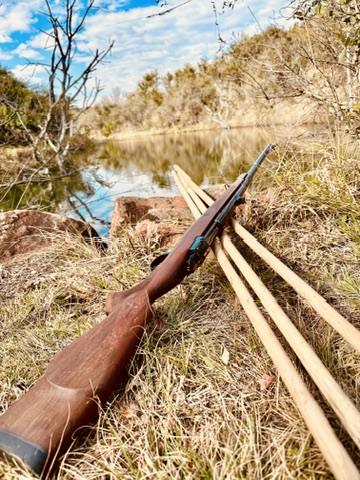
Why hunters want their own rifle
A familiar rifle carries confidence that cannot be rented. You know the trigger, safety, bolt, stock fit and recoil. You know where it prints from a cold barrel and whether the second round feeds smoothly. For many hunters, taking that rifle to Africa is part of the dream. The photographs would feel wrong with something else in their hands.
That matters. Hunting is not only logistics. If the rifle has history, if you shoot it extremely well or if the hunt is for buffalo and you have done months of preparation with that exact setup, bringing it can be the right decision even when renting would be simpler.
The administrative reality
Foreign hunters temporarily bringing firearms into South Africa require the appropriate temporary import process. South African Police Service guidance identifies the SAPS 520 application and states that an application submitted directly to the Central Firearms Register should be lodged at least 21 days in advance. SAPS also lists supporting documents such as passport information, proof of lawful possession and documentation showing the purpose of the visit from a professional hunter or outfitter.
Rules can change, airline policies differ and transit countries may create additional requirements. The lesson is not that bringing a rifle is impossible. Thousands of hunters do it. The lesson is to treat the firearm itinerary as its own project rather than assuming a ticket bought online automatically makes every connection suitable.
Ammunition and airline rules
SAPS guidance limits a temporary permit holder to no more than 200 cartridges for each firearm on the permit unless further approval has been granted. Airlines may impose lower limits or different packaging rules. The stricter rule on your route is the one that matters in practice.
Travel with enough ammunition for zero confirmation, the hunt and a reasonable reserve, but there is rarely a reason for a plains-game hunter to approach the legal maximum. More ammunition means more weight and more complexity.
The case for renting
Rental removes the firearm from the international travel equation. You do not need to worry about a delayed gun case, transit restrictions or the administrative process associated with temporary import. Waidmannsheil’s current public rate lists rifle hire at $40 per day if required.
For a hunter who is comfortable adapting to another rifle, this can be excellent value. It is especially attractive on a first safari where the species are standard plains game and the hunter would rather spend his preparation time practising positions than completing paperwork.
What to demand from a rental rifle
A rental rifle must fit the intended game and be mechanically reliable. Ask the outfitter what calibre, scope and ammunition will be available. On arrival, shoot it. Confirm point of impact, understand the safety, work the bolt, load and unload it, and fire enough rounds to know the trigger.
Do not accept the idea that a camp rifle does not need checking because ‘it was zeroed yesterday’. It may well be perfect. You still need to prove where it shoots for you.
Calibre matters less than confidence—up to a point
For ordinary plains game, the common medium cartridges have enormous overlap. .270-class, 7mm, .308, .30-06 and similar cartridges with suitable bullets can cover much of a first safari. Larger antelope or difficult angles may justify heavier bullets or larger cartridges. Dangerous game is a different category and legal minimums and professional advice apply.
Do not bring more recoil than you can control. A powerful rifle is only useful if the bullet goes where it should. Flinching is not an African calibre.
My rule of thumb
Bring your rifle when the rifle itself is part of the hunt, when you shoot it exceptionally well or when the specialised nature of the hunt makes familiarity especially valuable. Rent when your priority is a simple journey and you are comfortable learning a well-set-up rifle in camp.
Whichever route you choose, the preparation standard stays the same: know the rifle, know the first shot, and confirm the zero after travel.
What happens if the airline delays your rifle?
Even a well-planned firearm journey can be disrupted. Build the safari so a delayed gun case does not end the first two days. Know whether a suitable rental rifle can serve as backup. Keep firearm documents accessible and retain baggage tags.
A backup plan reduces the emotional pressure of a travel problem and lets the outfitter help immediately.
Scope settings for travel
Record your zero and turret position before the flight. If the scope has exposed turrets, lock them or protect them according to the design. Remove unnecessary accessories that can catch in a case. After arrival, inspect the rifle before firing: stock, barrel channel, mounts, muzzle and optic.
Do not assume a hard case makes the rifle immune to impact.
Rental rifle fit
Ask whether alternative rifles are available for left-handed shooters, youth hunters or people sensitive to recoil. Stock length and scope eye relief affect confidence. A rental rifle that bruises the hunter during the zero session will not become friendlier when a kudu appears.
Ammunition availability
If bringing your own rifle, travel with enough of the exact load you trust because the same ammunition may not be available locally. If renting, use the outfitter’s selected ammunition unless there is a clear reason not to. Mixing loads or changing bullet weight mid-safari can shift point of impact.
The emotional value of your own rifle
There is one argument that cannot be measured in convenience. Some hunters want the rifle their father carried, the rifle used on their first elk, or the rifle built specifically for Africa in the trophy photograph. If that story matters, it is worth some paperwork.
Efficiency is not the only form of value.
Waidmannsheil Safaris — Real hunting. Real Africa.