
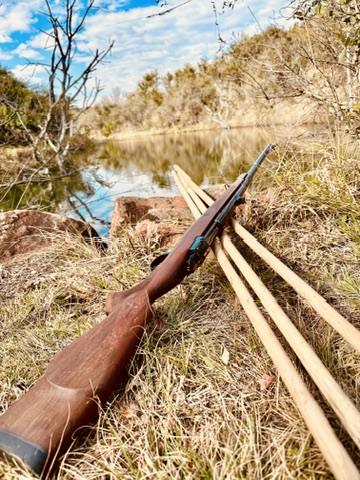
One rifle is enough for most first safaris
A first African plains-game safari may include animals as different as impala, kudu, wildebeest and zebra. That range makes hunters think they need several rifles. Usually they do not. A dependable medium rifle with a premium bullet covers an enormous portion of South African game.
The familiar .270, 7mm, .308 and .30-06 classes are popular for a reason. Choose the one you already shoot best. Bigger animals such as eland can justify heavier bullets or a larger cartridge, while Cape buffalo moves into the dangerous-game category with separate legal and professional requirements.
The bullet is part of the calibre
Cartridge names dominate conversations because they are easy to compare. Bullet construction determines what happens after impact. A premium controlled-expansion bullet is often the best all-round choice because it opens while retaining enough weight to penetrate shoulder and reach the vitals.
Do not arrive with ammunition that grouped well once but has never been tested for feeding, cold-barrel point of impact and practical accuracy.
A simple species grouping
Impala, blesbuck, springbuck, warthog and reedbuck sit comfortably in the light-to-medium group. Kudu, nyala, waterbuck, hartebeest, wildebeest, zebra, gemsbuck, sable and roan reward the same medium rifle with stronger bullet construction. Eland is the point where many hunters appreciate more bullet weight. Buffalo requires a proper dangerous-game setup.
That means a hunter planning kudu, wildebeest, impala and zebra can sensibly carry one familiar .30-calibre or comparable rifle for the entire safari.
Scope choice
A 2-10x, 2.5-10x or 3-12x-type scope is more than enough for normal plains-game ranges. Keep it on the lower end while moving through bush. High magnification narrows the field of view and can turn a quick opportunity into a search for fur through the scope.
Reliability, eye relief and a reticle you recognise instantly matter more than an impressive magnification number.
Practise the shot Africa actually gives you
Most hunters spend too much time on the bench. Confirm zero there, then stand up. Shoot from sticks. Practise kneeling. Fire one deliberate first shot, work the bolt and fire again. If possible, have a friend call a target so you must mount the rifle and acquire it without preparation.
That exercise looks far more like safari hunting than another five-shot group fired from sandbags.
The short answer
Bring the rifle you trust, loaded with a strong hunting bullet, under a simple reliable scope. Know where it shoots. Be able to make the first shot from sticks. That formula has travelled to Africa successfully for a very long time.
Do not confuse flat trajectory with field usefulness
Hunters preparing for Africa often become preoccupied with velocity. A flatter trajectory can be helpful in open country, but most animals are not taken at distances that demand an extreme magnum. The price of extra velocity can be more recoil, more muzzle blast and ammunition that is harder to find. A slightly slower rifle that you place correctly is still the better hunting tool.
Know your actual trajectory at 100, 200 and 250 yards or metres as appropriate. Do not rely on the velocity printed on the box.
Bullet weight and construction
Within the same calibre, bullet choice changes the character of the rifle. A lighter rapidly expanding bullet may be excellent for small antelope in open country. A heavier controlled-expansion bullet is more suitable when kudu, zebra or wildebeest are on the list. For a one-rifle safari, I lean toward the stronger all-round bullet because it gives more options when the angle is not perfect.
Ask the outfitter what has worked well on the species you plan to hunt. Local experience is more useful than a theoretical argument between cartridges with similar performance.
The rifle should fit the hunter
Length of pull, stock shape, trigger weight and eye relief affect practical accuracy. A rifle that feels comfortable from the bench may be awkward from sticks when wearing a jacket. Practise in the clothes you will hunt in and with the sling attached.
If you are renting, tell the outfitter whether you shoot right- or left-handed and what recoil level you are comfortable with.
Keep the scope simple
Zero stops, exposed turrets, illuminated reticles and ballistic apps can all be useful, but none of them replaces knowing the rifle. If your system requires three decisions before the shot, simplify it. Many African opportunities are brief. The scope should help you see the animal and place the bullet, not turn the shot into a calculation exercise.
Waidmannsheil Safaris — Real hunting. Real Africa.