
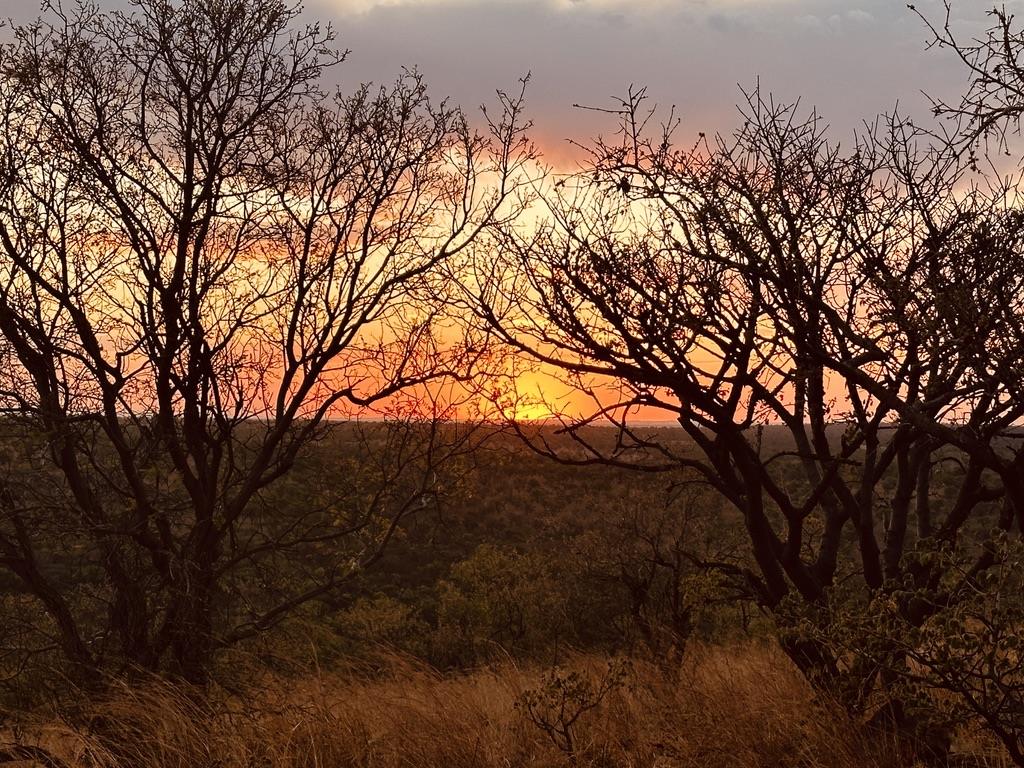
Africa feels more complicated from home than it does in camp
Before the first safari, every topic seems to carry paperwork: flights, rifles, permits, money, taxidermy, what to pack, what to tip, which animals, how many days and whether your boots are good enough. Once you arrive, most of that disappears. The days become remarkably simple. Wake up. Eat. Check the wind. Hunt. Come back dusty. Sit around the fire.
The aim of good planning is to make the complicated part happen before the trip so the actual safari can be that simple.
Cost: separate hunting from travel and trophies
Start with the hunting quotation. It should state the daily rate or package price, number of hunting days, included trophy animals, observer rate and obvious exclusions. Then create separate travel and trophy-aftercare budgets.
A package advertised at $10,000 is not a $10,000 international holiday once flights, taxidermy and shipping exist. That does not make the package misleading if the inclusions are clear. It means the hunter needs to budget the whole chain rather than one invoice.
How many days?
Seven to ten full hunting days is a sensible first-safari range. Ten is better when the species list is important, the flight is very long or an observer is travelling. Do not count arrival and departure as if they are full hunting days.
The temptation is to maximise animals. Resist it. A safari with enough time to lose a morning to wind is a better hunt than a checklist that only works if every stalk succeeds.
Species: choose variety
Kudu, impala, blue wildebeest, zebra, gemsbuck, blesbuck and warthog all make excellent first-safari animals because they create different problems. Build the list around one dream animal, then add species that create contrast.
Do not allow trophy measurements to become the entire objective. Mature representative animals hunted well produce memories that outlast another inch of horn.
Travel
Johannesburg is the primary international gateway for many South African safaris. Keep the route simple. If bringing a firearm, verify airline and transit rules before buying the final ticket. If renting, the journey becomes much easier.
Keep medication, documents and one change of hunting clothes in carry-on luggage. Give yourself permission to be tired on arrival day.
Equipment
Bring broken-in boots, practical neutral clothing, a warm layer, hat, sunscreen, binoculars and familiar shooting gear. Camp laundry means you need fewer clothes than you think. A simple reliable rifle and scope are better than a complicated long-range system the hunter does not use instinctively.
Practise from sticks. That one change in training will help more than buying another accessory.
Rifle: bring or rent
Bring your own if the rifle is part of the dream or you shoot it exceptionally well. Rent if you want simpler travel and are comfortable adapting to a camp rifle. Either way, confirm zero in camp.
For plains game, familiar medium cartridges with premium hunting bullets cover a wide range. Dangerous game requires its own legal and equipment plan.
Trophy aftercare
Field preparation happens in camp. Professional taxidermy, dip and pack, export and freight happen afterward. Decide whether you prefer full taxidermy in Africa or shipment to your taxidermist at home. Ask for estimates and understand that final freight depends on the actual crate.
Species-specific import rules can change, so protected trophies must be checked against current official requirements.
The questions hunters are sometimes embarrassed to ask
How much should I tip? Ask the outfitter for local guidance. What if I miss? We carry on hunting. What if I wound an animal? Most operations treat blood as a taken trophy because the animal and quota remain the outfitter’s responsibility. What if I am not fit enough? Tell the PH honestly so the plan suits you. What if my wife does not hunt? Build her trip as deliberately as your own. What if I do not want alcohol? Nobody cares. What if I have never shot from sticks? Practise before coming; we will help when you arrive.
A good outfitter would rather answer an awkward question before the hunt than correct a wrong assumption during it.
The first-safari goal
Do not try to finish Africa. Your first safari succeeds when the final evening arrives and you are already thinking about what you would do differently next time. If you want to come back, the trip probably did exactly what it was supposed to do.
Choosing an outfitter
The first safari depends heavily on the person guiding it. Ask who your PH will be, how many groups are in camp, what the actual hunting area looks like and how wounded-game policy works. Speak to recent references. A good outfitter should be willing to explain both the strengths and limitations of the hunt.
Do not choose only by the largest trophy photograph. Communication before the deposit is a better predictor of communication after it.
What the daily routine feels like
Expect early mornings, a proper midday break on many days and another serious hunting period in the afternoon. Some days involve long walks. Others involve glassing or slow vehicle movement before getting on foot. Bowhunters may sit for hours. There is no production-line schedule.
Meals and campfire time are part of the safari. The social side is not an optional extra; it is one reason hunters return.
Physical preparation
You do not need to become an athlete. Walk regularly, include hills if your hunt is mountainous and spend time on your feet in the boots you will bring. If you have a knee, back or mobility issue, tell the outfitter. A truthful plan can still produce excellent hunting. Hiding a limitation helps nobody.
Money questions
Ask how deposits, final payments and trophy fees are handled. Ask whether gratuities are included—they normally are not. Ask whether alcohol is included. Ask whether added animals are charged at the current trophy list. Ask if wounded animals are charged.
The goal is not to negotiate every dollar. It is to remove uncertainty.
What if the hunt is unsuccessful?
Hunting contains no guarantee. A particular animal may not present a safe opportunity during the days available. A professional outfitter should not invent an animal at the last moment simply to complete a list. Discuss priorities early so the PH spends time where it matters most.
A failed stalk is part of a successful hunting trip when the decisions were right.
Bringing a spouse
A non-hunting partner should have an itinerary too. Some observers love joining the hunt; others prefer wildlife viewing, photography or tourism. South Africa works very well for couples because a serious hunting block can be combined with Big Five viewing, Cape Town or the Winelands.
Ask the partner what he or she wants from Africa before finalising the dates.
Waidmannsheil Safaris — Real hunting. Real Africa.