
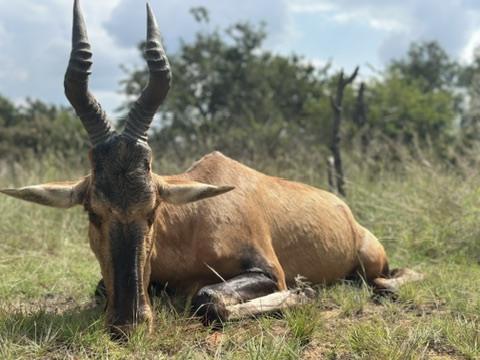
The trophy begins in the field
Taxidermy quality starts long before the crate reaches a studio. After the animal is recovered and photographed, heat becomes the enemy. In warm weather the carcass must be moved into shade and processed without unnecessary delay. The hunter should tell the PH immediately what form of trophy he wants.
If you are undecided between a standard shoulder mount and a wall pedestal, leave more cape. Skin can be trimmed later. It cannot be added back.
Photographs are reference material
Take clear photographs of the animal before skinning: both sides of the face, nose, eyes, ears, mane or neck hair, scars, horn position and body colour. Trophy photographs are not only memories; they can be useful reference for the taxidermist.
Photograph unusual features that you specifically want preserved. A worn ear or old scar may be part of the animal’s character rather than something to repair away.
Caping
Experienced skinners understand African species, but the desired mount must still be communicated. A standard shoulder cape, pedestal cape, full-body skin or rug involves different cuts. The safest rule when uncertain is generous skin and careful labelling.
Avoid dragging the hide through dirt or leaving it folded hot for long periods.
Salting and drying
Salt draws moisture from the skin and helps stabilise it before professional treatment. The cape must be opened, salted thoroughly and managed so moisture can escape. Thick areas around lips, ears and nose require proper preparation by experienced hands.
Poor early treatment may not become visible until later, when hair begins to slip. By then the taxidermist has inherited a problem rather than raw material.
Horn and skull identity
Horns, skull and skin must remain linked to the hunter and the correct animal. This sounds simple until several animals from several hunters arrive at the same facility. Durable tags, written logs and photographs prevent confusion.
For horned species, document any unusual sweep, wear or damage so the final mount preserves the way the animal actually looked.
Choosing a mount
Think about the room before choosing the pose. Which direction should the animal turn? How much wall depth is available? Is the ceiling high enough for a kudu pedestal? Will several mounts face into the room or away from one another?
Send room photographs and measurements to the taxidermist. A beautiful mount can still look wrong if the pose fights the architecture.
African taxidermy versus home taxidermy
Having work completed in Africa can make sense because local studios handle African species every day. Having dip-and-pack trophies shipped home can make sense when the hunter has a trusted long-term taxidermist. Judge individual studios, not continents. Ask to see recent finished work and speak to clients.
Compare total cost including freight. Finished mounts take more crate volume; raw-prepared trophies require final taxidermy cost at home.
Communication during the wait
Taxidermy is slow craft. Good studios should still communicate. Confirm the mount list, pose, finish, delivery address and any special instructions in writing. Approve photographs or forms promptly.
If something changes—moving house, changing importer or altering the pose—tell the studio before the crate is built.
The finished trophy
When the mount finally reaches the wall, the best ones do more than display horn. They bring back the stalk. That is why field photographs, scars, natural ear shape and the correct expression matter.
The taxidermist’s job is not to make the animal look like a catalogue specimen. It is to preserve the animal you hunted.
Ear, lip and nose preparation
The fine work around ears, lips, eyelids and nose is where careful field preparation protects the future mount. These areas contain flesh and cartilage that can hold moisture. Experienced skinners turn or prepare them correctly before salting so the taxidermist receives stable material.
This is one reason a professional skinning shed matters more than hunters realise.
Blood and dirt
Blood should be rinsed or cleaned according to the skinner’s process before it dries into hair and skin. Dirt, fuel, oil and other contaminants should be kept away from capes. Trophy care is not glamorous, but clean handling in the first hours can save many hours of restoration later.
Measuring before skinning
For life-size work or unusual mounts, body measurements and reference photographs are valuable. The taxidermist may provide a measurement sheet in advance. If a full mount is even a possibility, tell the PH before the animal is skinned.
Choosing a taxidermist
Look at recent work on the actual species you hunted. African animals have distinctive eyes, ear shape, facial proportions and hair patterns. Ask how many of that species the studio mounts each year. Price matters, but a trophy you waited twenty years to hunt deserves more than the cheapest quote.
Pose and expression
A mount can be technically excellent and still not look like the animal you remember. Decide whether you want alert, relaxed or aggressive expression. For kudu and sable, horn position relative to walls and ceilings matters. For cats and full-body work, reference photographs become even more important.
Installation
Large African mounts are heavy and awkward. Plan wall structure and access. A kudu or buffalo may not fit through the same doorway route you imagined when the room was designed. Ask the final taxidermist about hanging hardware and weight.
Maintenance after installation
Keep mounts away from direct sun, excessive humidity and insect pests. Dust gently. Have a taxidermist inspect older mounts if hair, skin or seams begin changing. A trophy room is not maintenance-free, especially in climates very different from where the animal lived.
Waidmannsheil Safaris — Real hunting. Real Africa.